
Welcome to WordPress. This is your first post. Edit or delete it, then start writing!
Electrical Grade Insulation Paper – Importance, Properties&Applications
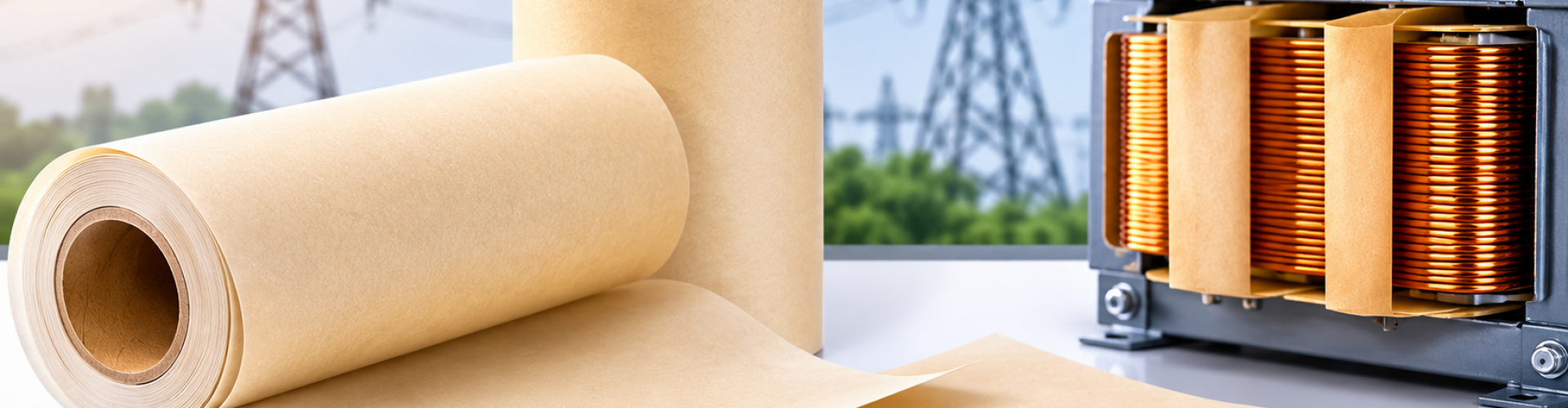
Electrical Grade Insulation Paper – Importance, Properties&Applications
Electrical insulation plays a critical role in the safe and reliable operation of electrical equipment. Materials used for insulation help separate conductive components, reduce the risk of electrical faults, and support the long-term performance of electrical systems.
Electrical grade insulation paper is one such specialty paper developed for applications that require dependable electrical and physical properties.
What Is Electrical Grade Insulation Paper?
Electrical grade insulation paper is a specially manufactured paper used as an insulating material in electrical equipment. It provides separation between conductive components and helps maintain electrical insulation within equipment.
It is commonly used in transformers, motors, and other electrical systems where suitable insulation materials are essential.
Important Properties of Electrical Insulation Paper
The performance of electrical insulation paper depends on its physical and electrical characteristics.
1. Dielectric Strength
Dielectric strength is an important property that determines the ability of an insulating material to withstand electrical stress without breakdown.
2. Mechanical Strength
The paper should have suitable mechanical strength to withstand handling and the requirements of the equipment manufacturing process.
3. Uniform Thickness
Consistent thickness supports uniform insulation and helps maintain the required separation between electrical components.
4. Paper Quality
A uniform paper structure and suitable physical properties contribute to dependable performance in electrical applications.
5. Application Compatibility
The selected insulation paper should meet the technical requirements of the equipment and its operating conditions.
Applications of Electrical Grade Insulation Paper
Electrical insulation paper is used in different electrical and industrial applications.
-
Transformers: Used as an insulating material between selected electrical components.
-
Electric Motors: Supports insulation requirements in motor assemblies.
-
Power Equipment: Used in electrical equipment that requires suitable insulation materials.
-
Electrical Components: Helps provide separation and insulation in specific electrical applications.
The appropriate paper grade should always be selected according to the equipment design and technical specifications.
How to Select the Right Insulation Paper?
Before purchasing electrical insulation paper, manufacturers and equipment suppliers should evaluate:
-
Required thickness and GSM
-
Dielectric performance
-
Mechanical strength
-
Uniformity and consistency
-
Operating temperature requirements
-
Compatibility with the intended equipment
Selecting the correct paper grade helps support equipment reliability and insulation performance.
Choosing Reliable Electrical Grade Insulation Paper Manufacturers
The quality of insulation materials is an important consideration in electrical equipment manufacturing. Working with an experienced specialty paper manufacturer helps businesses identify paper solutions that match their application requirements.
Prompt Industries Private Limited offers Electrical Grade Insulation Paper as part of its specialty paper portfolio. The product is designed for applications requiring suitable dielectric strength and reliability in transformers, motors, and power equipment.
As one of the specialty paper manufacturers in Telangana, Prompt Industries focuses on providing paper solutions for different industrial requirements.
Conclusion
Electrical grade insulation paper is an important material in electrical equipment manufacturing. Its dielectric properties, mechanical strength, and uniformity contribute to effective insulation in various applications.
Businesses looking for Electrical Grade Insulation Paper Manufacturers can connect with Prompt Industries to discuss their requirements and product specifications.
Contact Prompt Industries for specialty paper solutions and electrical insulation paper enquiries.
FAQ's - Frequently Asked Questions?
1. What is electrical grade insulation paper?
Electrical grade insulation paper is a specialty paper used to provide electrical insulation and separation between conductive components in transformers, motors, and other electrical equipment.
2. What are the main properties of electrical insulation paper?
Important properties include dielectric strength, mechanical strength, uniform thickness, electrical performance, and suitability for the intended operating conditions.
3. Where is electrical grade insulation paper used?
It is commonly used in transformers, electric motors, power equipment, and other electrical systems that require suitable insulating materials.
4. How do I select electrical grade insulation paper manufacturers?
Evaluate paper thickness, GSM, dielectric properties, mechanical strength, consistency, and application requirements before selecting an electrical insulation paper manufacturer.

explore
products
contact us
- +91 98491 53438
- +91 93930 11989
- purchase@promptindustries.com
- sales@promptindustries.com
- Survey No. 816, Rudraram Village, Patancheru Mandal, Sangareddy Dist. 502329, Telangana, India.